The Essential Role of the Dental Explorer in Modern Dentistry
Wiki Article
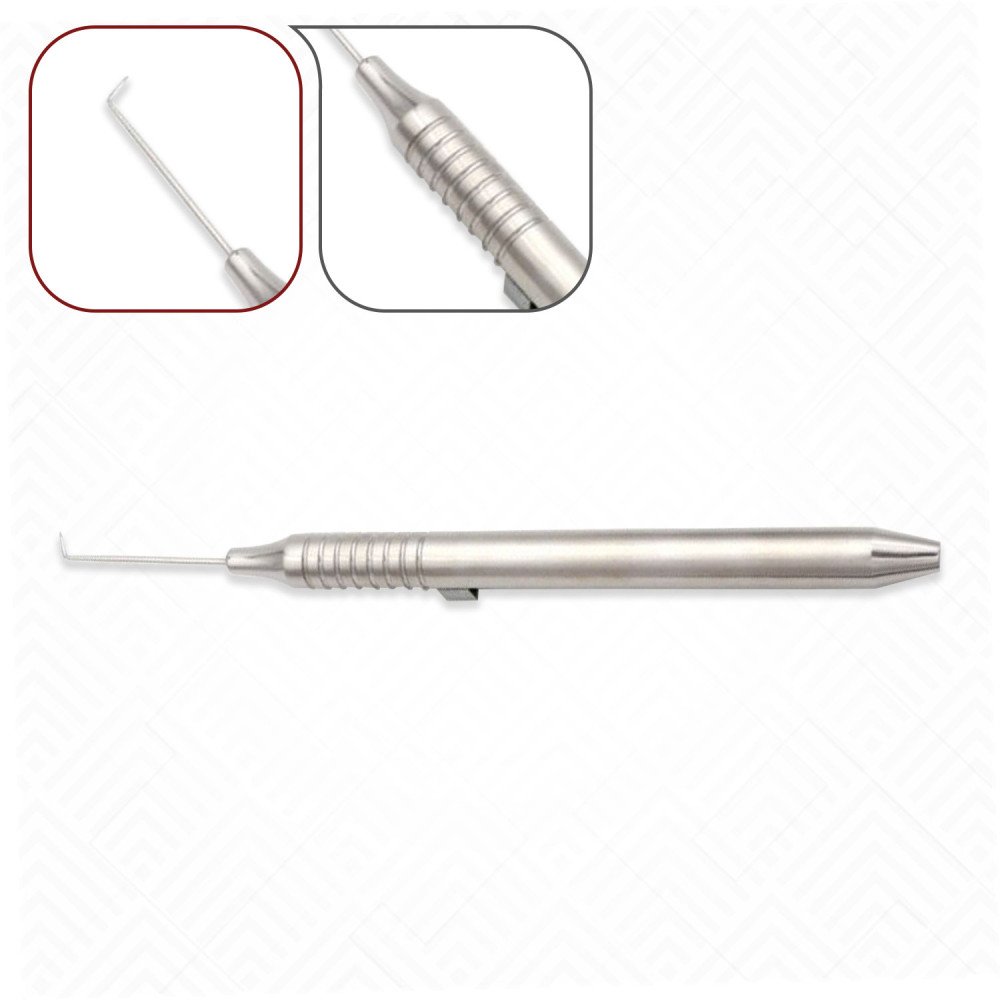
Every successful dental procedure begins with accurate diagnosis and thorough examination. Among the vast array of tools available to a dentist, few are as fundamental and relied upon as the diagnostic probe. This slender, pointed instrument serves as an extension of the dentist's tactile sense, allowing for the detection of issues that the naked eye might miss. It is the cornerstone of preventative care and restorative planning. At New Med Instruments, we understand that superior patient outcomes depend on the precision of these foundational tools.
Understanding Diagnostic Precision
The primary function of this diagnostic instrument lies in its ability to detect structural defects on tooth surfaces. When a dentist examines a patient, they need more than just visual confirmation of decay or irregularities. A high-quality dental explorer allows the practitioner to feel the texture of the enamel, identifying soft spots that indicate early caries or cavities. This tactile feedback is crucial for catching decay before it penetrates deeper into the tooth structure. Without this level of sensitivity, minor issues could easily escalate into major dental problems requiring invasive treatments.
Design Features for Clinical Excellence
Manufacturers design these instruments with specific curvature and flexibility to reach difficult areas of the oral cavity. The working end of the tool features a sharp point that enhances tactile sensitivity, while the shank design varies to accommodate different areas of the mouth. A shepherd's hook design is common for general examination, while an 11/12 explorer is specifically shaped to assess subgingival pockets and posterior teeth. New Med Instruments ensures that every dental explorer we produce meets rigorous standards for sharpness and durability, providing clinicians with the reliable feedback they need during every examination.
Detection of Calculus and Tartar
Beyond finding cavities, this tool plays a vital role in periodontal health assessment. Dental hygienists and dentists use it to locate calculus and tartar deposits hidden below the gum line. These hardened deposits are often invisible to the eye but can cause significant gum inflammation and periodontal disease if left untreated. By running the tip along the tooth root, a professional can feel the rough texture of calculus. This precise detection guides the cleaning process, ensuring that all harmful deposits are removed to restore gum health.
Assessing Restoration Integrity
Another critical application involves checking the quality of existing dental work. Over time, fillings, crowns, and bridges can develop gaps or margins where bacteria can accumulate. A dentist uses a dental explorer to trace the edges of these restorations, checking for any signs of leakage or failure. If the tip catches on a margin, it indicates a defect that may need repair or replacement. This vigilant monitoring helps extend the lifespan of dental work and protects the underlying tooth from recurrent decay.
The New Med Instruments Standard
We recognize that dental instruments are an investment in patient care and professional reputation. Surgeons, students, and healthcare professionals worldwide choose New Med Instruments because we prioritize craftsmanship and material quality. Our commitment to excellence means that every dental explorer in our catalog is crafted from high-grade stainless steel to resist corrosion and maintain its sharpness over time. We believe that precise results start with precise tools, and our manufacturing process reflects this dedication to accuracy.
Choosing the Right Instrument
Selecting the appropriate diagnostic tool depends on the specific clinical task at hand. While some procedures require a rigid shank for detecting hard deposits, others benefit from a flexible design that improves tactile sensitivity for caries detection. Clinicians must have a variety of options available to perform comprehensive exams efficiently. At New Med Instruments, we offer a diverse selection of diagnostic tools to suit various preferences and clinical needs. Investing in a superior dental explorer from our collection ensures that you have the right instrument to deliver the highest standard of care to your patients.
Conclusion
The humble diagnostic probe remains an indispensable asset in the dental operatory. Its ability to reveal hidden decay, detect calculus, and verify restoration integrity makes it essential for preventative and restorative dentistry. New Med Instruments stands ready to support dental professionals with tools that offer unmatched precision and durability. By equipping your practice with our high-quality instruments, you ensure that every examination is thorough and every diagnosis is accurate.
Report this wiki page